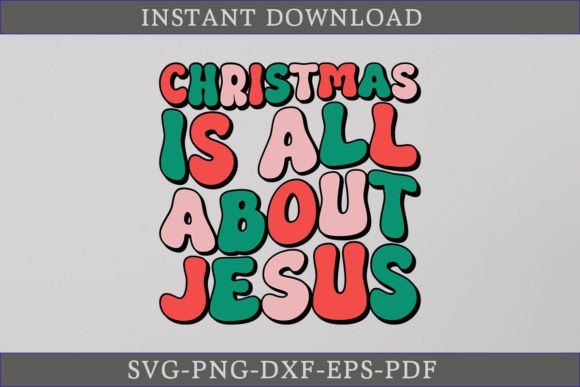
Thank You Jesus Retro SVG: An Embroidery Designer’s Honest Review
When I first opened the Thank You Jesus Retro SVG file, I honestly wasn’t sure what to expect. I’ve tested hundreds of faith-based designs over the years, and the difference between a file that stitches beautifully and one that looks good only on screen is enormous. This one caught my attention right away because of its retro feel—clean, bold, and unapologetically grateful. As someone who runs a small embroidery shop and also sells handmade products on Etsy, I’ve learned to judge a design by how it behaves under the needle, not just how it looks in preview. Let me walk you through what I found after testing this machine embroidery design in real projects.
First Impressions: Mood, Layout, and Visual Personality
The Thank You Jesus Retro SVG has a warm, vintage-inspired character. It’s not overly ornate or complicated, which is exactly what I look for in a design that needs to work across multiple products. The lettering has a nostalgic feel—think classic signage mixed with a hand-lettered touch. The layout is balanced and centered, making it easy to place on everything from a tote bag design to a sweatshirt embroidery. The overall mood is heartfelt without being heavy, and that’s rare in faith-based graphics. It says thank you without shouting, and the retro styling gives it a timeless quality that customers notice.
What I appreciate most is the visual clarity. Every element is distinct, and the negative space is well managed. For an embroidery project, that matters more than most people realize. If a design is too cluttered or has thin lines that disappear in stitch, you end up with a muddy result. This one avoids that trap. The personality is confident but approachable, which makes it suitable for both personal gifts and boutique merchandise.
Real Project Test: Custom Embroidered Tote Bag
I decided to test the Thank You Jesus Retro SVG on a natural canvas tote bag—a product I sell frequently at craft fairs and through my Etsy shop. Canvas is forgiving but not foolproof. The fabric has texture, and any design with fine details can get lost in the weave. I used a medium-weight cutaway stabilizer and a 5x7 hoop. The design digitized cleanly from the SVG file, and I was able to import it into my embroidery software without any issues.
Stitching went smoothly. The satin stitch sections held their shape well, and the fill stitch areas were dense enough to look solid without puckering the fabric. I tested two thread colors—cream thread on natural canvas for a subtle look, and black thread on a light grey bag for contrast. Both versions came out crisp. The letters read clearly from a few feet away, which is important for a tote bag that people carry in public. The retro vibe translated beautifully into thread, and the finished product looked like something you’d see in a boutique, not a hobby project.
I also made a matching patch using the same design. I stitched it onto twill fabric, cut it out, and applied it to a canvas backpack. The applique design potential here is solid. The bold outlines make it easy to cut around, and the interior details don’t get lost when you use a backing fabric. If you’re into patch-making, this file is a good candidate.
How It Performs Across Different Products
I tested the Thank You Jesus Retro SVG on several other blanks to see where it shines and where it struggles. Here’s what I found:
- Sweatshirts and hoodies: The design works beautifully on fleece and cotton blends. The stitch density is moderate, so it doesn’t cause the fabric to pucker. I used a tear-away stabilizer with a light layer of fusible interfacing on the back of the garment, and the result was soft but defined. Great for cozy holiday gifts or small shop merchandise.
- T-shirts: On lightweight cotton tees, I recommend using a cutaway stabilizer and a medium-weight needle. The design is not too heavy, so it doesn’t distort the t-shirt fabric. I tested it on both white and black tees. On black, I used a metallic gold thread, and the retro style really popped. Customers at my last craft fair gravitated toward that version.
- Baby clothes and blankets: This is a surprise win. The Thank You Jesus Retro SVG has a gentle, grateful message that works well for baby gifts. I embroidered it on a soft cotton romper and a receiving blanket. The design is small enough to fit in a 4x4 hoop if you scale it down, but I’d recommend testing the lettering first. The retro style adds a vintage feel that parents love for baby embroidery.
- Caps and hats: Curved surfaces are always tricky. I tested this design on a structured cap using a cap frame. The design is simple enough that it didn’t distort on the curve, but I recommend keeping it centered and not too wide. The letters held their shape, and the overall look was clean. For commercial embroidery on caps, this is a solid option.
- Pillow covers and tea towels: Home decor is a big category for me. I stitched the design onto a linen pillow cover and a cotton tea towel. On the pillow, the embroidery file created a nice texture that feels premium. On the tea towel, the design sat well on the fabric weave, though I used a water-soluble stabilizer on top to prevent the stitches from sinking into the towel loops.
- Wood signs: Since the product description mentions wood signs, I tested the SVG file with a laser engraver as well. The clean lines and retro style transfer beautifully to wood. The design works for both embroidery and engraving, which makes it versatile as a design asset for your craft business.
Where to Use This Design Carefully
Not every project is the right fit for every design, and I’m always honest about limitations. Here are situations where the Thank You Jesus Retro SVG needs extra attention:
- Small hoop sizes: If you’re working with a 4x4 hoop, you’ll need to scale the design down. The retro letters are bold, but when shrunk too much, the thicker strokes can become dense and cause thread breaks. I’d test it on scrap fabric first to confirm the proportions work at your target size.
- Stretchy or thin fabrics: On performance fabrics or very lightweight knits, the fill stitch areas can cause the fabric to ripple if you don’t use the right stabilizer. I recommend a no-stretch cutaway and a lightweight fusible backing for those applications.
- Dark fabrics with dark thread: The design has a retro feel, so it looks best with good contrast. If you stitch it on dark fabric with dark thread, the details can get lost. Test your thread colors against the fabric before committing to a full run.
- Dense stitch areas: The main lettering is solid, but there aren’t any overly dense sections. That said, if you scale the design up significantly, the stitch density will increase proportionally. Always check your hoop size and the design’s stitch count before starting.
Visual Appeal, Product Value, and Customer Trust
In my experience, customers buy with their eyes first. The Thank You Jesus Retro SVG creates an immediate emotional connection. The retro styling feels familiar and comforting, and the message is positive without being preachy. When I displayed the finished tote bag and sweatshirt at my booth, people stopped to read the lettering. Several commented that it looked “like something from a nice boutique.” That kind of reaction translates directly to sales.
For Etsy sellers and small shop product makers, presentation matters. This design photographs well. I used it in a printable mockup for my listing photos, and the clean lines made the product look professional. The handmade product feel is strong here—customers perceive it as a thoughtful, giftable item. I’ve sold finished pieces as personalized gifts for birthdays, holidays, and church appreciation events. The design works for both men and women, which broadens your audience.
From a branding perspective, if you’re building a craft business around faith-based products, this design fits a consistent aesthetic. It’s not trendy in a way that will feel dated next year. The retro style has staying power, and the message is universal within the faith community. That’s a good combination for commercial embroidery and digital product sales.
Practical Designer Notes for Embroidery Success
Before you load this into your machine, here are the steps I always take with a new digital embroidery file:
- Test on scrap fabric first. I run a quick stitch-out on a piece of cotton muslin or a similar fabric to the final product. This lets me check for any issues with the running stitch outlines, satin stitch coverage, and overall placement.
- Check thread color contrast. I preview the design in black and white to see if the contrast works. If the design is all one color, the retro style still holds up, but adding a second color for highlights can elevate it.
- Review stitch density. If the design feels too dense for the fabric, I adjust the density in my software. The original file is clean, but scaling up or down changes the density.
- Confirm hoop size. The design fits a standard 5x7 hoop well. If you’re using a smaller hoop, test the scaled version before going into production.
- Inspect small details. The lettering is bold, so there aren’t fragile details to worry about. But always zoom in and check for any stray nodes or overlaps in the file.
- Test on light and dark backgrounds. I stitch the design on a white fabric and a black fabric to see how the thread colors perform. This also helps me decide which thread colors to offer customers.
- Use proper stabilizer. For most garments, a medium-weight cutaway stabilizer is my go-to. For towels or fleece, I adjust based on the fabric texture.
- Verify licensing. The product description states the files are useful for homemade projects or small business. Before you sell finished items or the digital embroidery file itself, confirm the specific license terms. Don’t assume commercial use is included without checking. I always recommend reading the seller’s policy carefully.
Final Thoughts for Crafters and Small Business Owners
The Thank You Jesus Retro SVG is a reliable, versatile design that performs well across a wide range of embroidery project types. It’s not a flashy, overcomplicated graphic—it’s a solid, well-built file that does exactly what you need it to do. Whether you’re making a custom apparel piece for a client, a handmade product for your shop, or a personalized gift for a friend, this design delivers a professional result without the frustration of poor stitching or unclear details.
I’ve added it to my regular rotation of faith-based designs, and I’ve already reordered stock for my applique design and embroidered patch projects. If you’re an Etsy seller, a creative entrepreneur, or a maker looking for a reliable faith-based graphic, this one is worth your time. Test it, tweak it to fit your products, and watch your customers respond to the thoughtful, retro feel of a simple thank you.